
Best Tools for a First-Time DIY Bathroom Refresh
Heads up: this post contains affiliate links. If you buy through them, we may earn a small commission at no extra cost to you. This roundup is based on research and what to look for, not hands-on testing. Learn more.
A bathroom refresh is one of the best first projects in a new home. It's a small room, so the materials don't cost a fortune, and a few changes like fresh caulk, new paint, and updated hardware can make it feel brand new. We put this guide together to help you skip the extra trips to the store.
This is a refresh, not a gut remodel. We're talking cosmetic updates you can usually do over a weekend or two.
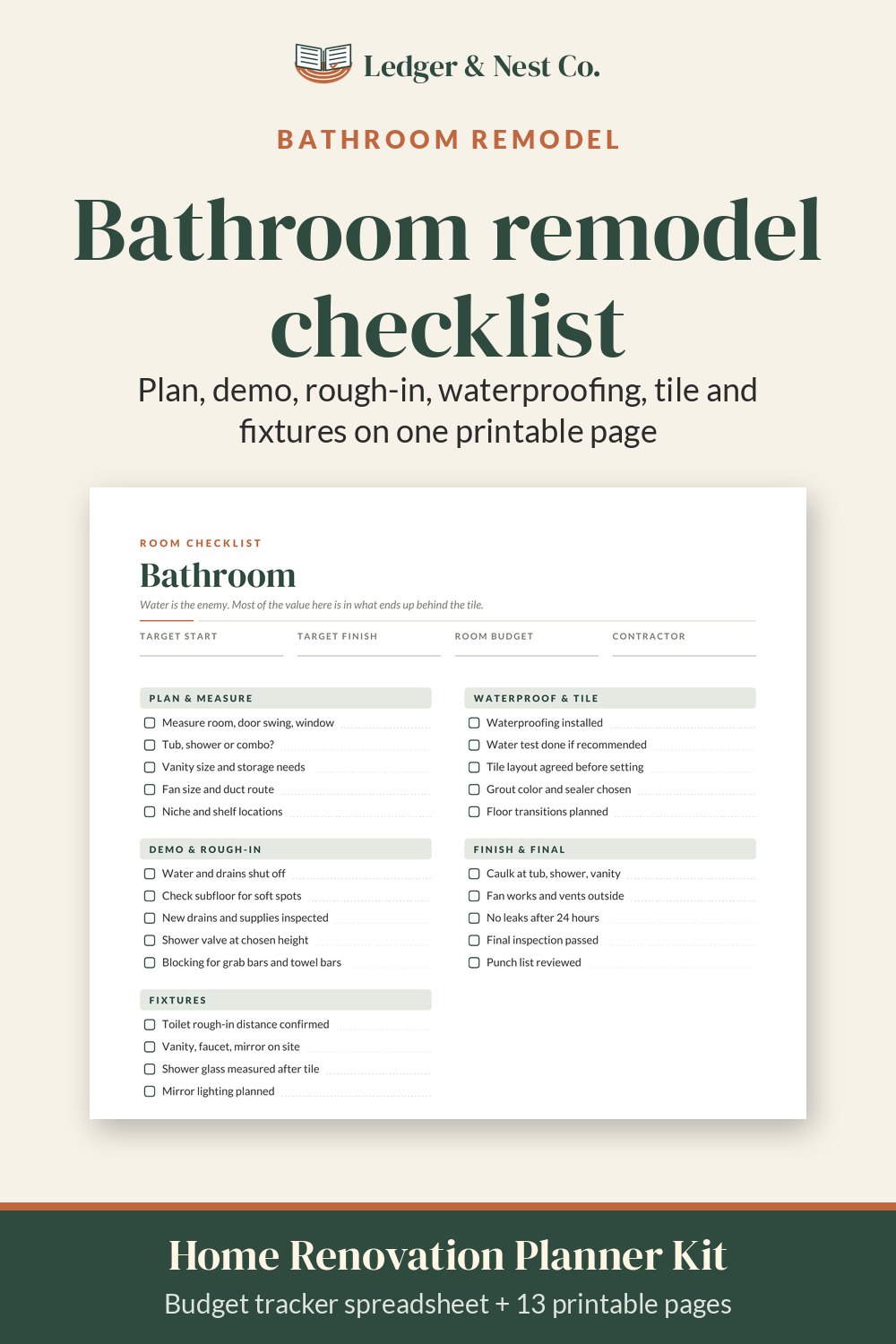
Before you start: plan the scope
Write down exactly what you want to change: paint, caulk, grout, a new mirror, towel bars, a faucet, maybe a light fixture. Then decide what you'll DIY and what you'll hire out. Here's a good rule of thumb:
- Usually DIY friendly: paint, caulk, grout touch-ups, hardware, mirrors, shower heads, toilet seats.
- DIY if you're comfortable, otherwise hire: swapping a faucet, replacing a toilet.
- Hire a licensed pro: any new wiring, moving or adding a light or fan, anything that needs a new circuit, plumbing inside the walls, and anything involving gas.
Recaulking the tub and shower
Old, moldy, or cracked caulk is the fastest way to make a bathroom look tired. Replacing it is very doable.
Tools to look for:
- A caulk removal tool or plastic scraper so you don't scratch the tub.
- A utility knife for cutting stubborn old caulk.
- Kitchen and bath caulk labeled mildew resistant. Silicone is common in wet areas, check the label for the right use.
- A caulk gun with a smooth trigger.
- A caulk finishing tool or smoothing tool for a neat bead.
- Painter's tape to keep the lines clean.
Tip: make sure the area is completely dry before you apply new caulk, and follow the cure time on the tube before using the shower.
Freshening up grout
If your grout is stained but still solid, you can often clean and refresh it instead of replacing it.
Tools to look for:
- A stiff grout brush.
- A grout cleaner suited to your tile type. Check that it's safe for your tile, especially natural stone.
- A grout pen or grout colorant for a uniform look.
- A grout sealer to help it stay clean longer.
- A grout saw if you need to remove crumbling sections.
If tiles are loose or the wall behind them feels soft, stop and call a pro. That can mean water damage.
Painting a small bathroom
Bathrooms are humid, so the right paint matters.
Tools to look for:
- Paint made for bathrooms or high-humidity rooms, usually in a satin or semi-gloss finish.
- A small angled brush for cutting in around the tub, vanity, and ceiling.
- A mini roller and tray, which fit small walls much better than a full-size roller.
- Drop cloths and painter's tape.
- Spackle and a putty knife for filling old anchor holes.
- A sanding sponge to smooth patches.
Run the exhaust fan or open a window while you paint, and follow the dry times on the can.
Swapping hardware, mirrors, and towel bars
New towel bars, a toilet paper holder, cabinet pulls, and a mirror can change the whole feel of the room.
Tools to look for:
- A cordless drill/driver and bit set.
- A level so everything hangs straight.
- A stud finder and wall anchors rated for the weight you're hanging.
- A tape measure.
- A hardware set in a finish you like.
Tip: if you're replacing old towel bars, measure the old screw holes first. Picking new hardware with the same spacing can save you patching.
Updating the faucet or shower head
A new shower head is usually a simple swap. Faucets take more patience, and you'll be working under the sink.
Tools to look for:
- An adjustable wrench and slip-joint pliers.
- A basin wrench for reaching faucet nuts under the sink.
- Plumber's tape (PTFE tape) for threaded connections.
- A bucket and old towels for drips.
- A headlamp so you can actually see under there.
Shut off the water at the valves under the sink first. If the valves won't turn or they leak, that's a good time to call a plumber.
Lights and exhaust fans: call an electrician
A new vanity light or a better exhaust fan can make a big difference, but this is electrical work in a wet room. Unless you're experienced, have a licensed electrician do it. That also goes for adding outlets or anything that touches your electrical panel.
Safety gear for the whole project
- Safety glasses for scraping and drilling.
- Gloves for cleaners and caulk.
- A mask or respirator rated for dust or fumes, depending on the product. Always read the product label.
Plan it so it stays on budget
Small bathroom projects have a sneaky way of growing. One trip for caulk turns into a new faucet, a new mirror, and a light you didn't plan for. Writing down your scope and budget first keeps it under control.
We made the Renovation Planner Kit for this exact moment. It helps you map out the project, track what you've bought, and see where your budget stands as you go. If you like planning on paper or in a spreadsheet you already have, that works too. Just plan before you shop.
The short version
For a first bathroom refresh, focus on caulk, grout, paint, and hardware. Get the right basic tools, take your time on prep, and hand anything electrical, inside the walls, or involving gas to a licensed pro.